
- Home
- Solutions
- Concrete Batch Plants
- SP-200 and SP-300
Stationary · modular
SP-200 and SP-300
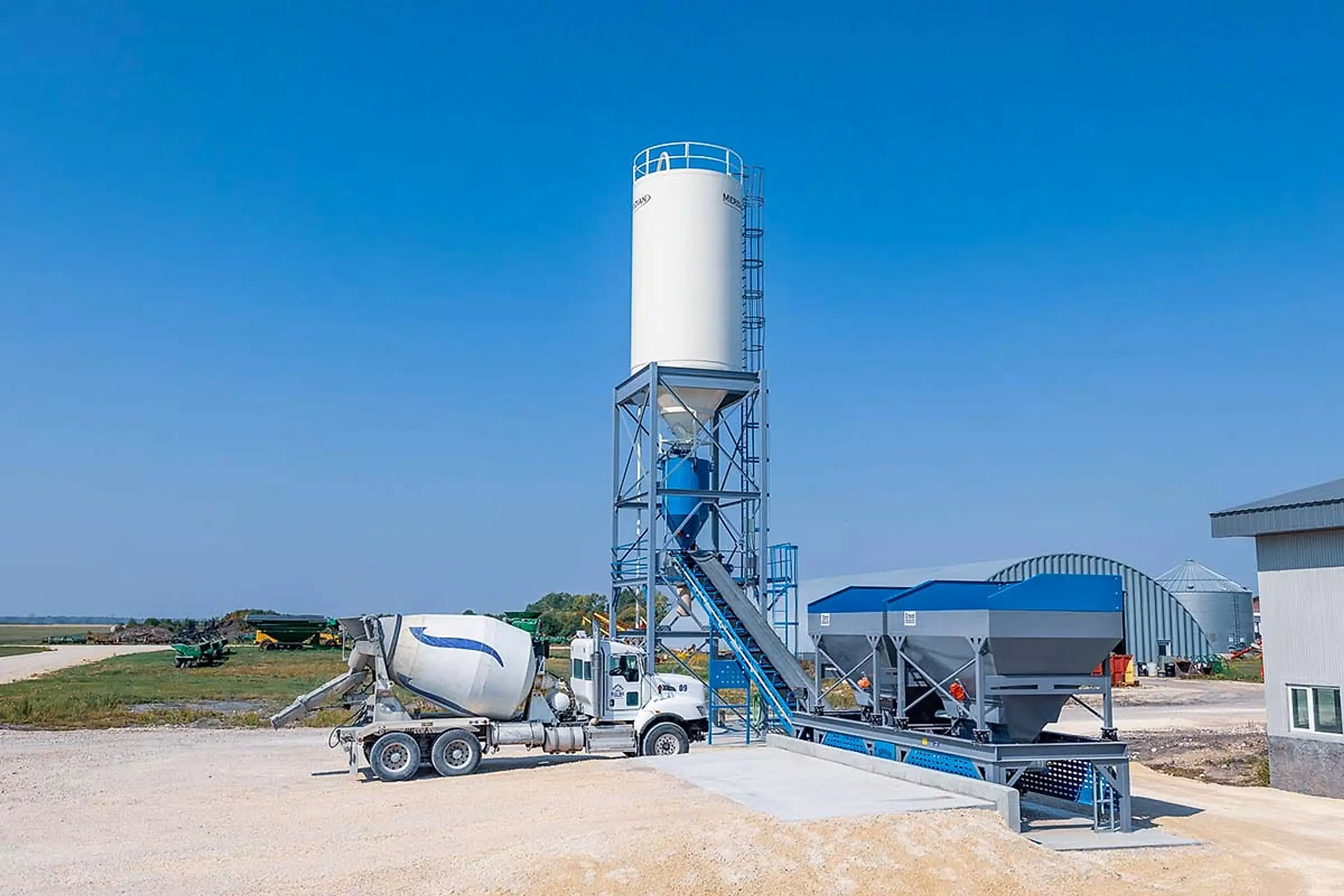
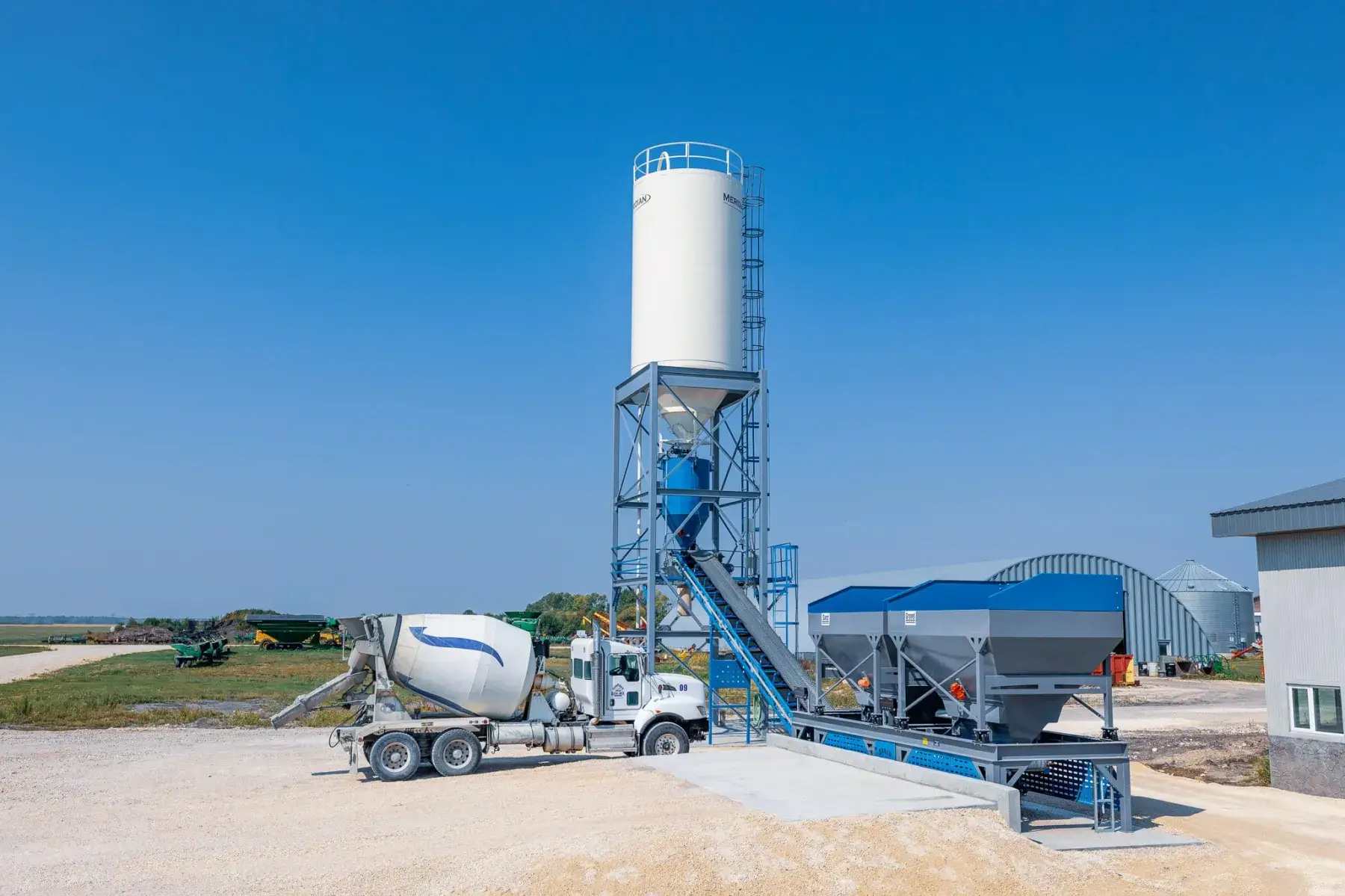
Tria SP-200 and SP-300 stationary concrete batch plants: approx. 150 yd³/hr, two or three 60,000 lb aggregate hoppers, 220,000 lb silos, modular layout shipped in sections.
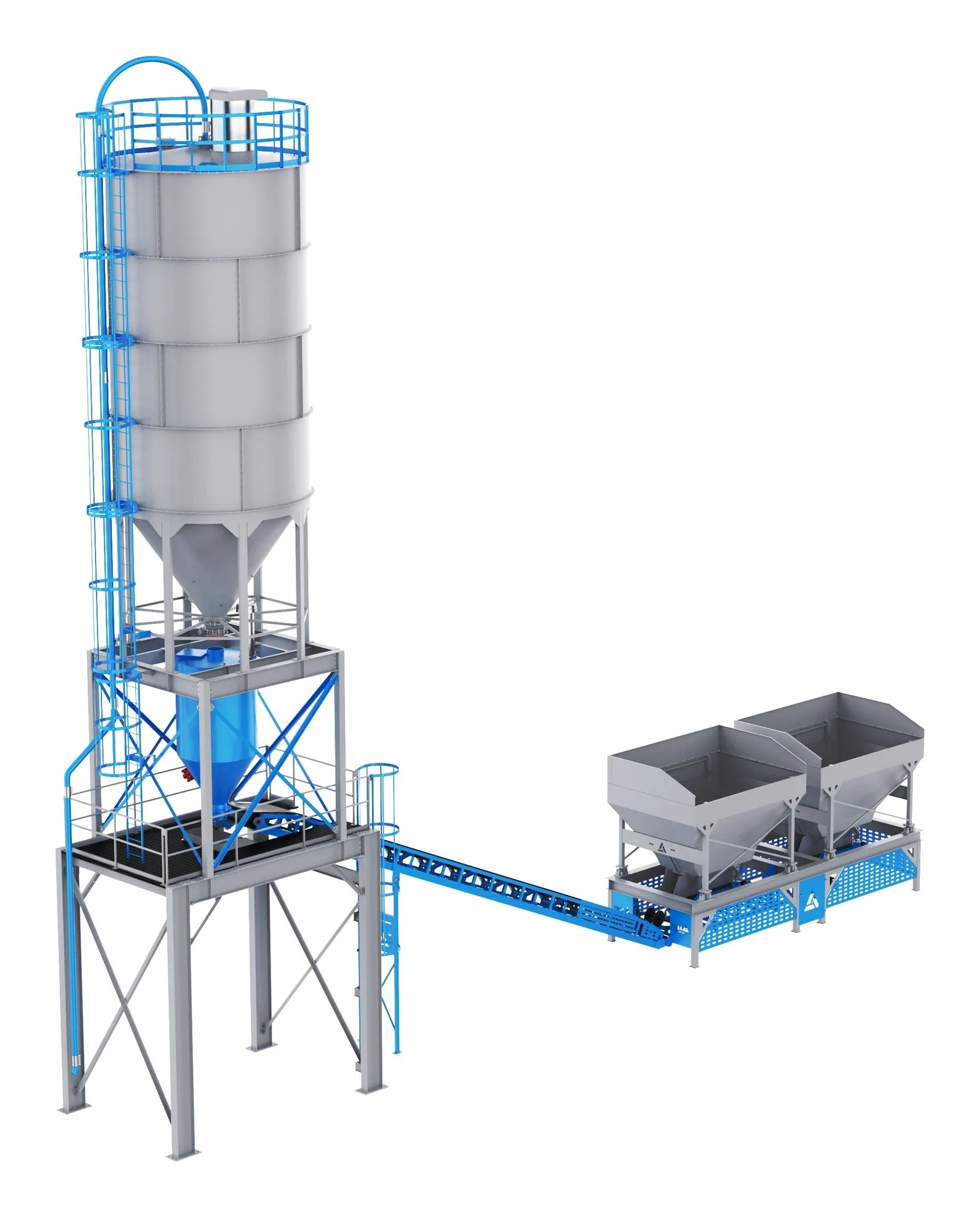
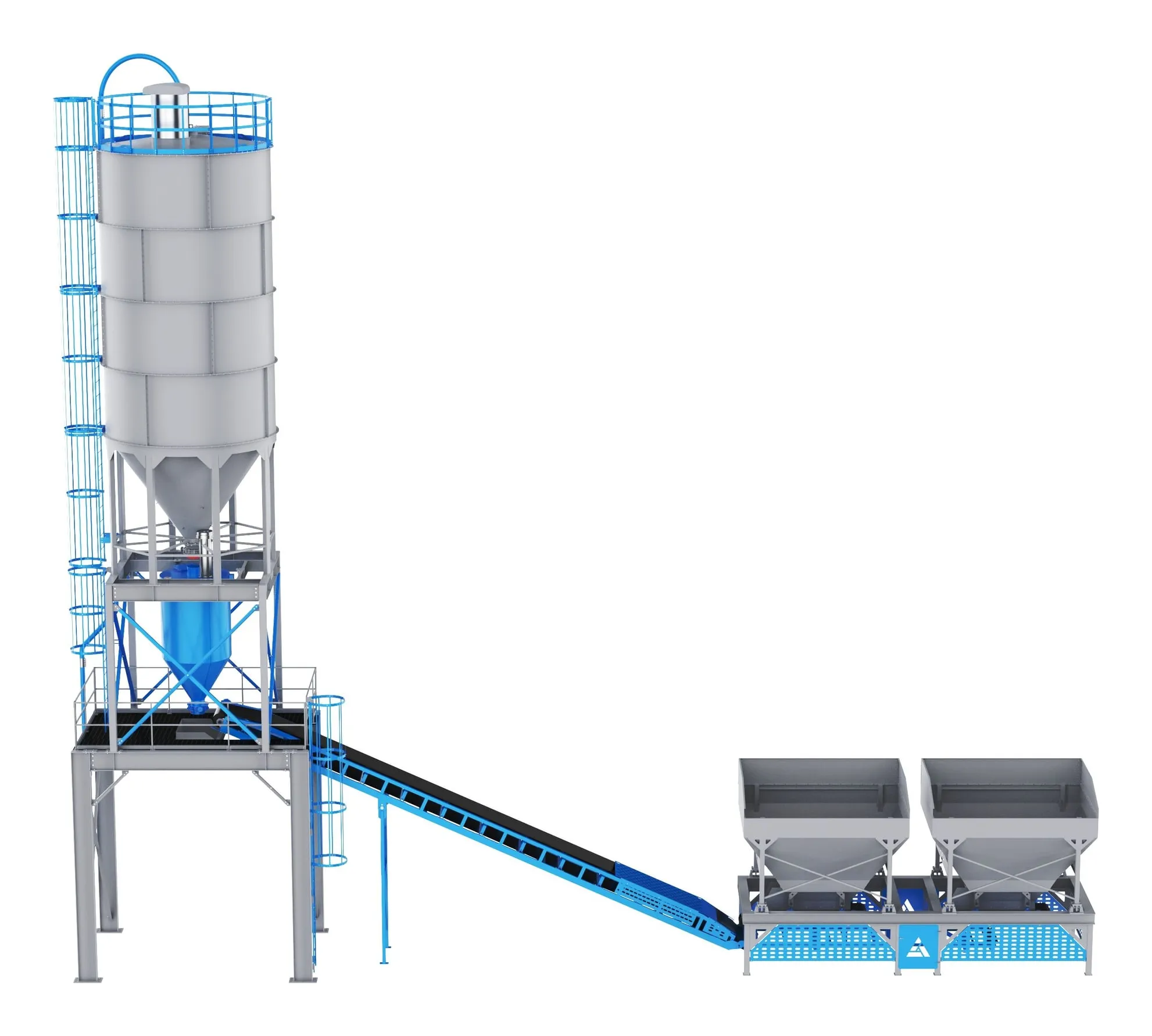
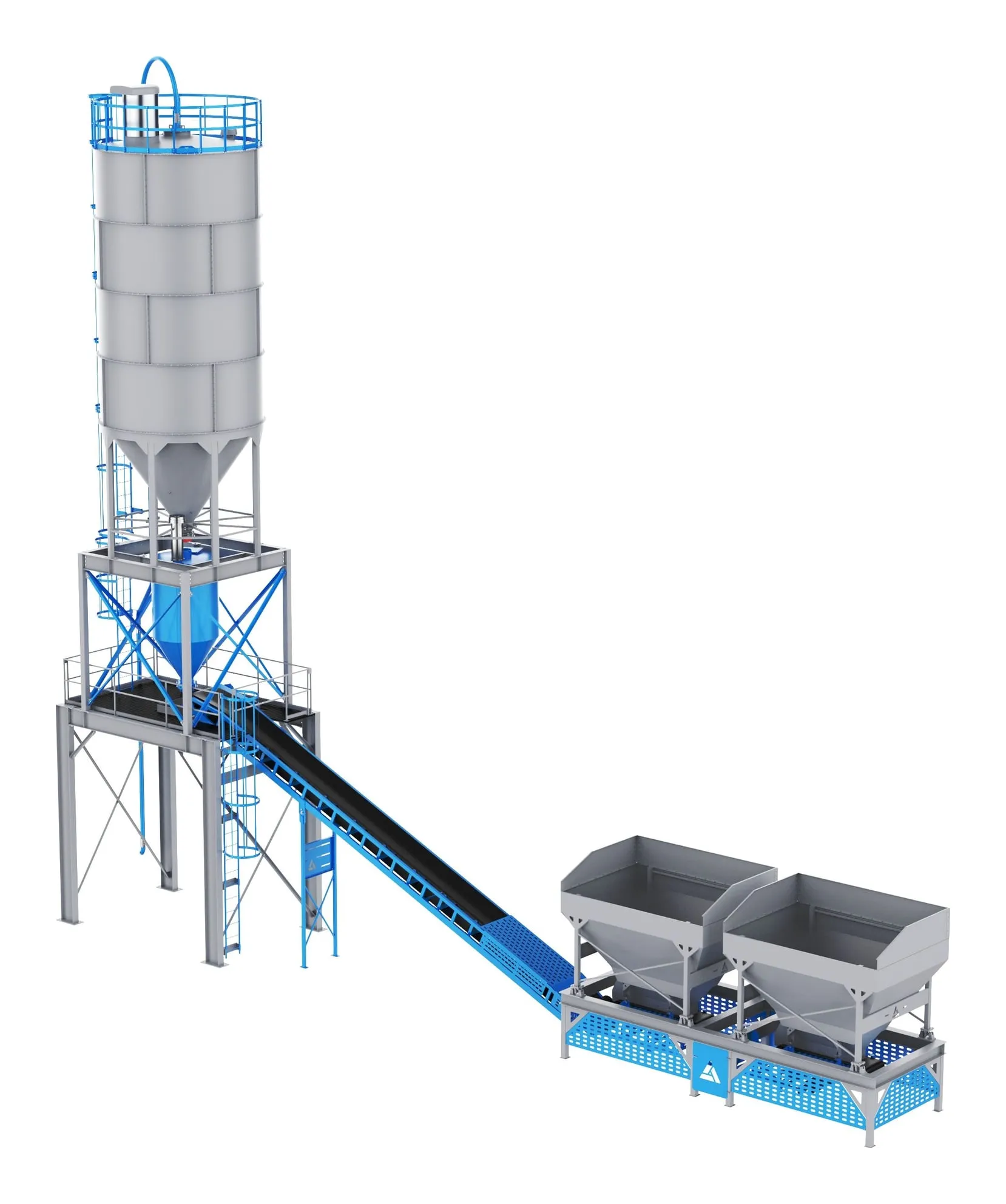
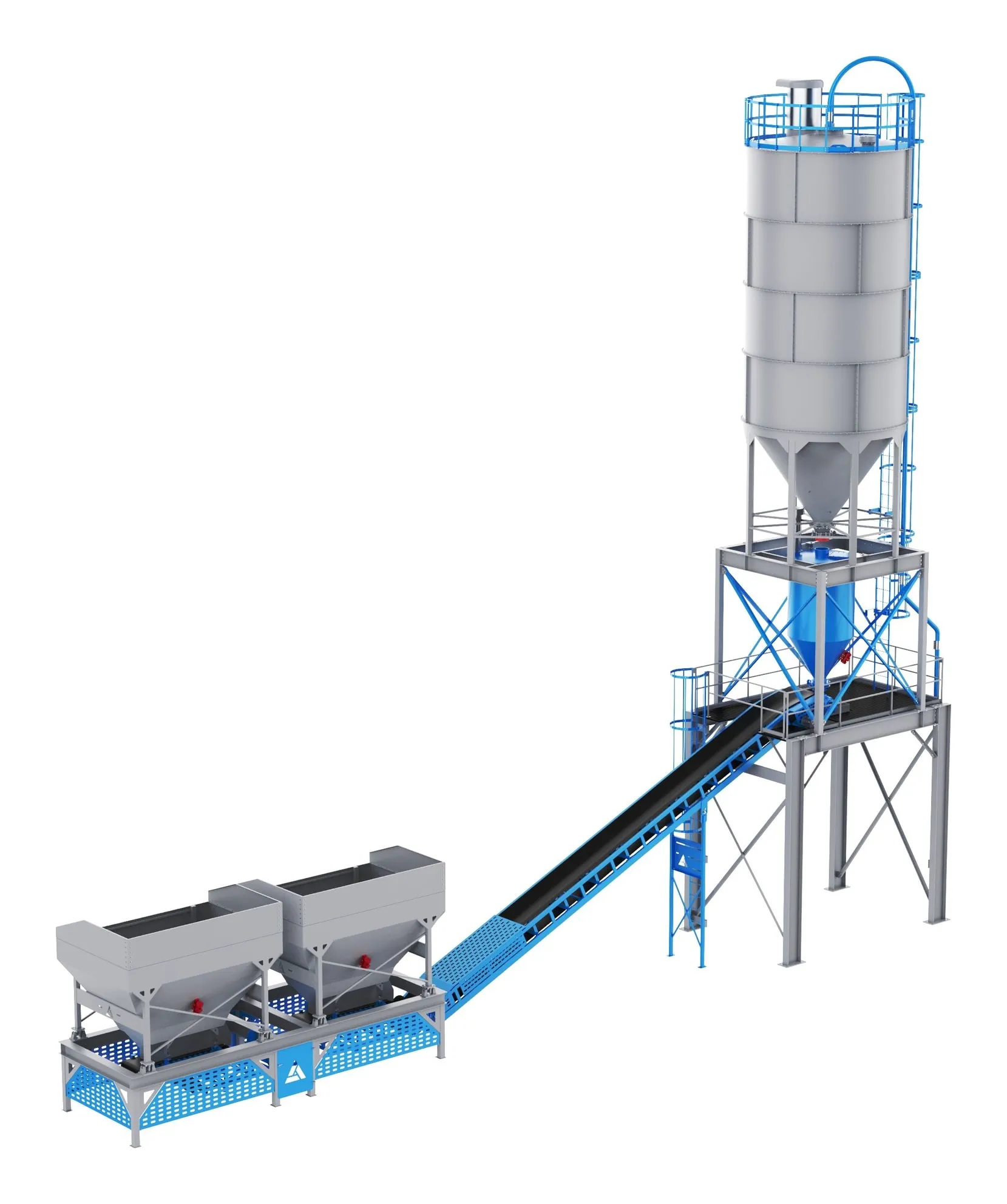
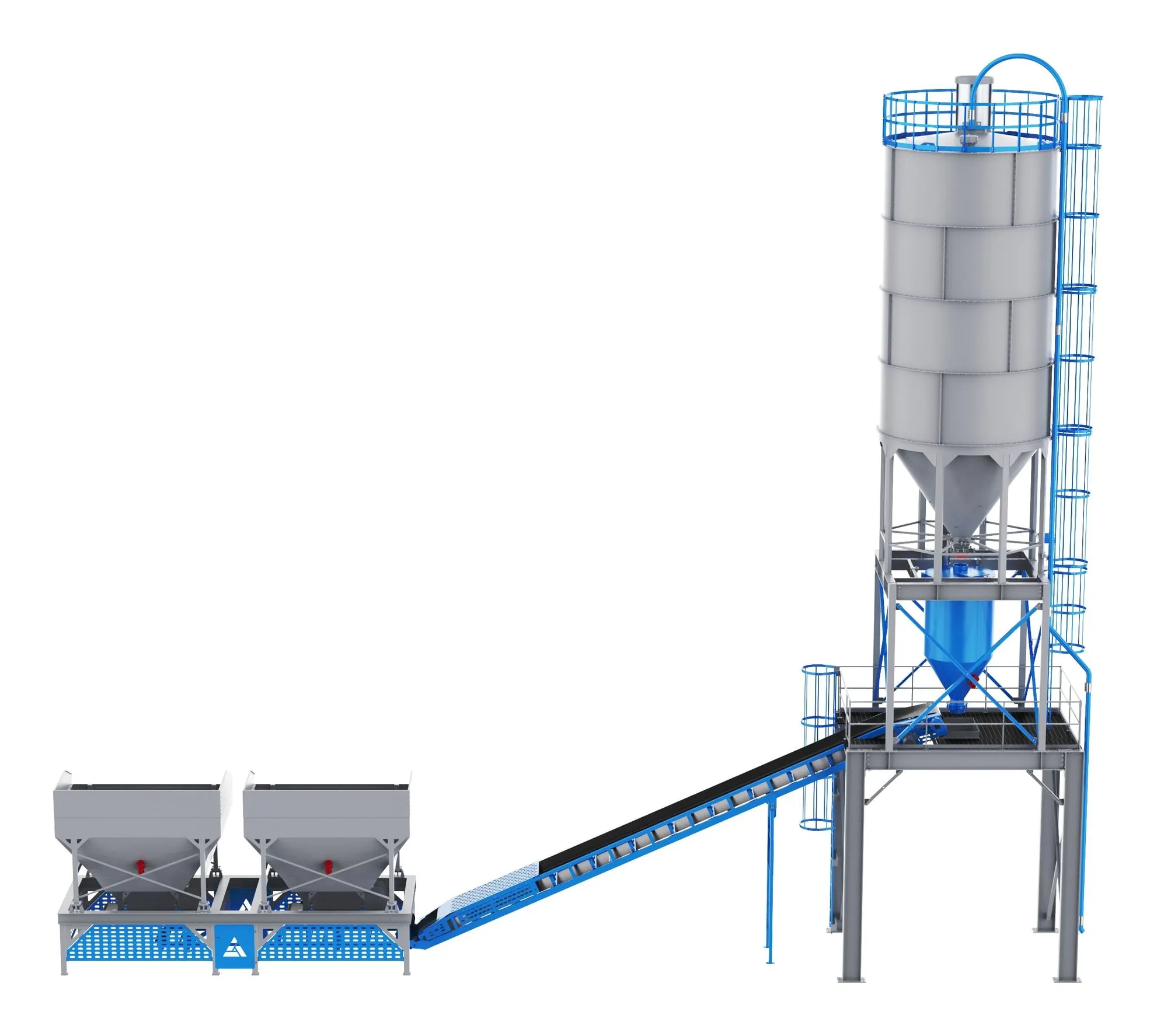
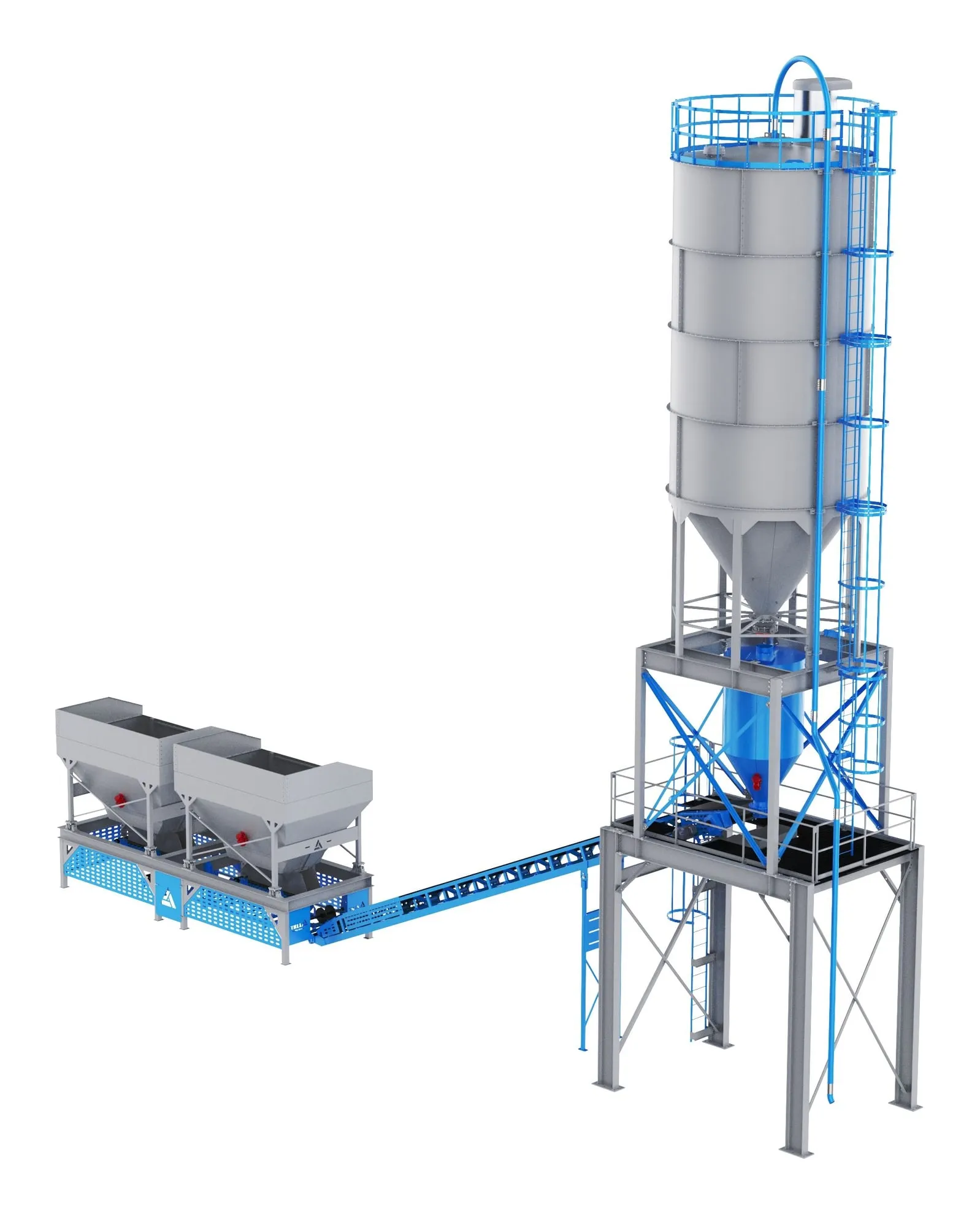
SP-200 and SP-300: modular, scalable stationary concrete batch plants
The Tria SP-200 and SP-300 stationary concrete batch plants are designed for producers requiring dependable high-volume concrete production with long-term operational durability and scalable output capability.
SP-200 and SP-300 technical specifications
- Capacity (YPH or m³/hr)
- Approx. 150 yd³/hr (115 m³/hr), batching 10 yd³ (7.6 m³) loads; excludes truck move time
- Number of Aggregate Hoppers
- SP-200: 2 hoppers · SP-300: 3 hoppers
- Aggregate Hopper Capacity (each)
- 60,000 lb (27 tonnes) each
- Aggregate Batcher Gates
- Independent conveyor-fed aggregate system
- Transfer Belt Conveyor (width)
- 30 inches
- Feed Conveyor (width)
- 24 inches
- Deep Troughing Idler Angle
- 35 degrees
- Cement Feeder Type & Size
- Powder bin discharge with 8-inch outlet
- Powder Storage
- SP-200: 1 silo × 220,000 lb (100 tonnes) · SP-300: 2 silos. Larger silos of 120, 140 and 160 tonnes are available
- Truck-Loading Surge Bin
- Approx. 13,000 lb (5.9 tonnes), 140 ft³ (4 m³)
- Discharge Height
- 16 ft; custom heights available
- Water Meter Size
- 2 to 3 inch Badger inline meter
- Electrical Service
- Customer configurable industrial electrical service
- Electric Motor (main conveyor)
- 10 HP
- Electric Motor (vibrator)
- 1/3 HP
- Electric Motor (hydraulic pump)
- 2 HP
- Electric Motor (optional Augers)
- 25-30 HP
- Axle Configuration
- Stationary plant – no axle
- Control System
- Command Alkon, MPAQ or customer-specified systems; Rice Lake LaserLite 3 weigh indicators
- Load Cells (quantity & rating)
- Rocker-arm load cells, 4 per bin
- Overall Weight
- Approx. 57,032 lbs (weight will vary based on customer design needs)
- Overall Dimensions (L x W x H)
- Dimensions will Vary based on customer needs
- Transport Method
- Modular stationary installation / shipped in sections
- Construction Style
- Heavy-duty welded structural fabrication
- Aggregate conveyor system
- Independent 24-inch feed conveyor into the main transfer conveyor
- Aggregate Bin Construction
- Welded inside and outside seams
- Loader integration
- Front-end loader optimized loading design
Key features of the SP-200 and SP-300
- High-capacity stationary concrete batching system designed for continuous production
- Approx. 150 yd³/hr (115 m³/hr) production capability for demanding infrastructure and industrial projects
- Heavy-duty welded steel construction engineered for long-term operational durability
- Two-hopper (SP-200) or three-hopper (SP-300) aggregate system with high-volume material handling efficiency
- Integrated conveyor feed system for consistent aggregate transfer and batching accuracy
- Configurable automation and control systems available
- Modular plant layout designed for scalable expansion and site-specific customization
- Built for harsh operating environments with simplified maintenance and service access
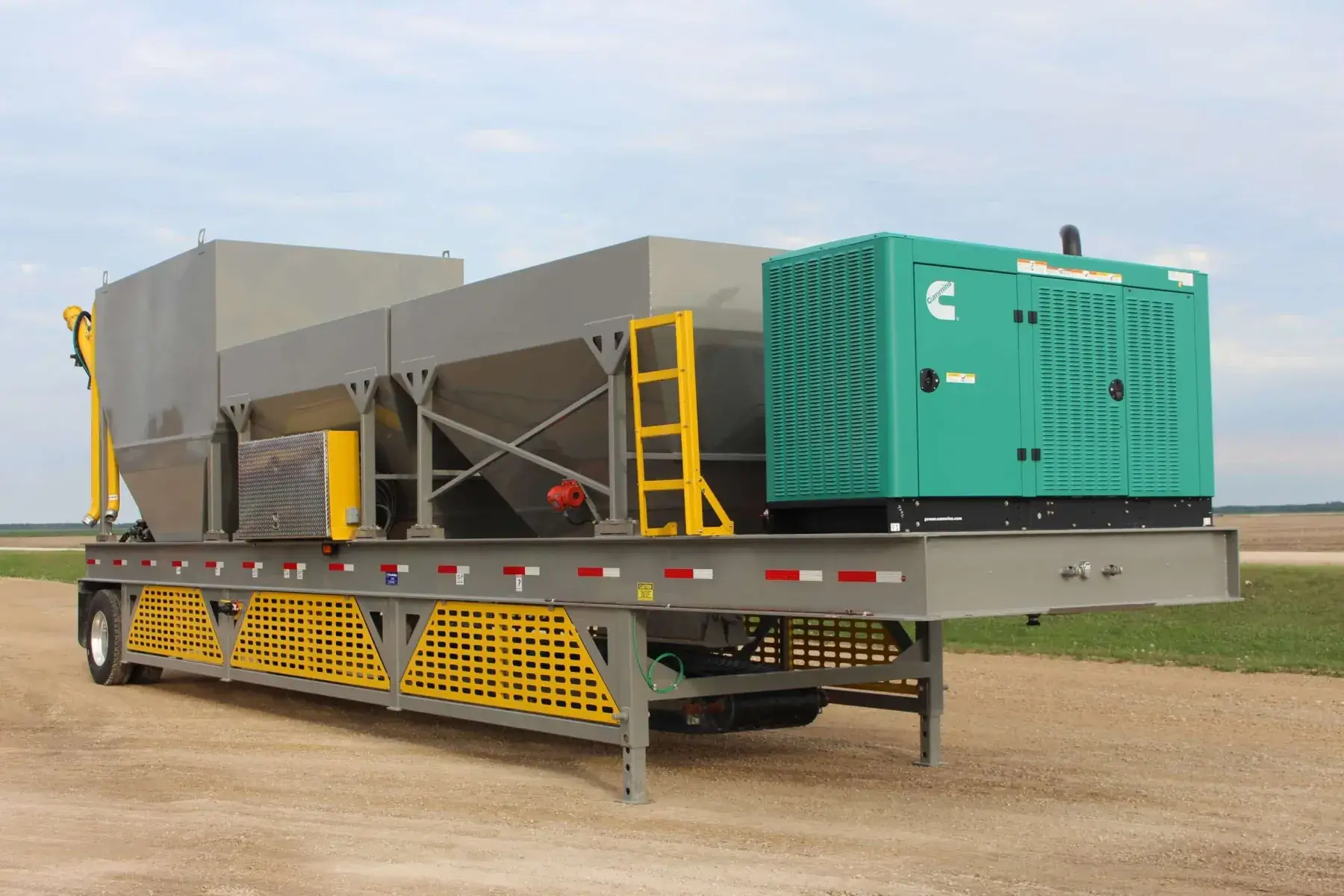
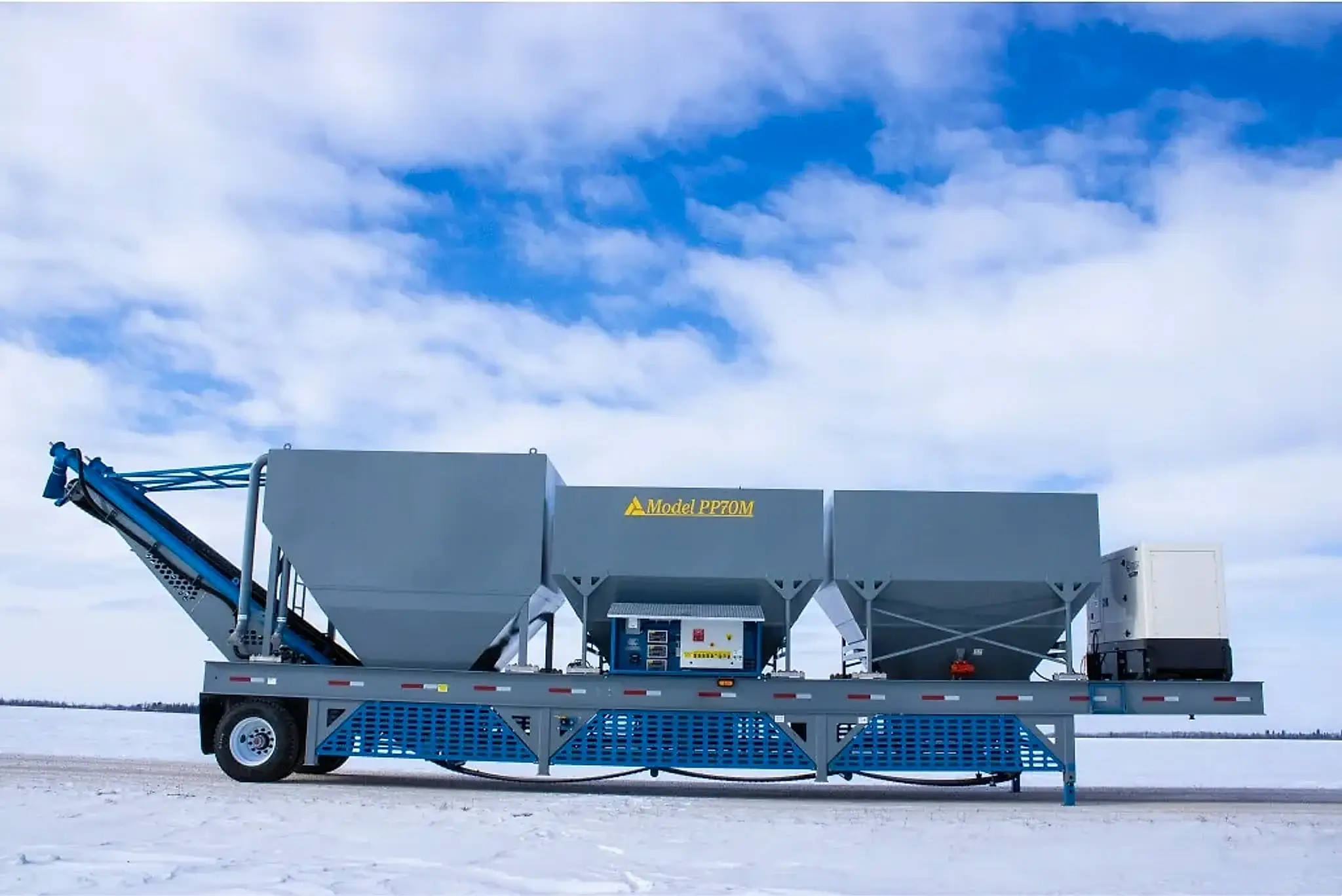
Belt-driven aggregate feed
The belt provides steady, continuous material movement instead of short, aggressive starts and stops. This helps reduce surging and keeps feed rates predictable during batching.
Lower mechanical stress
Belt drive operation avoids the repeated shock loads seen with gate cycling or screw systems. Motors, gearboxes and bearings operate under more stable conditions, which helps extend service life.
Reduced wear and maintenance
With fewer high-impact mechanical movements, the belt system experiences less overall wear. This typically results in fewer adjustments, longer component life and reduced downtime.
Improved batch accuracy
Consistent belt flow allows the batching system to better predict material cut-off points. This helps reduce overrun and improves repeatability, especially on larger or faster batches.
Simple access and service
Open, straightforward layout makes inspection and servicing easier. Components are accessible and familiar to most maintenance crews, reducing troubleshooting time.
Plant systems
Cement silo dust collector
Wam SiloTop dust collector. Pressure sensing monitors filter condition to ensure effective dust collection during pneumatic cement transfer.
Hopper-top dust collector
Reduces airborne dust during cement silo dosing and weigh hopper discharge.
Split conveyor configuration
Improves belt tracking, reduces wear, and provides smooth, consistent aggregate flow.
Rocker-arm load cells, 4 per bin
Independent bin weighing improves accuracy and enables parallel material dosing.
Cement and powder handling
Configurable silo layouts for multiple powder materials, integrated aeration, a weigh-up cement hopper with vibrator, and silo overfill protection.
Options
Hydronix moisture probe integration is available.
Why producers choose the SP-200 and SP-300
- Engineered
- Configurable plant layouts tailored to customer production requirements
- Universal
- Uses widely available non-proprietary serviceable components
- Committed
- Direct manufacturer support, commissioning, and operational assistance
Tria Advantage
Stationary, rugged, high-output batching backed by direct manufacturer support and flexible automation options.
Media & Resources
Brochure, drawings and photos
- Photos
- Videos
- Brochure
- Price Strategy
- Call for Price 204-372-8815
- Lead Contact
- Chris Wipf, Joe Wipf / Tria Batch Plant Sales Team
Ready to pour?
Let's build it right.
Send us your drawings, your site and your timeline. You will hear back from the people who actually build it.